
Advocacy Edge
Advocacy Edge
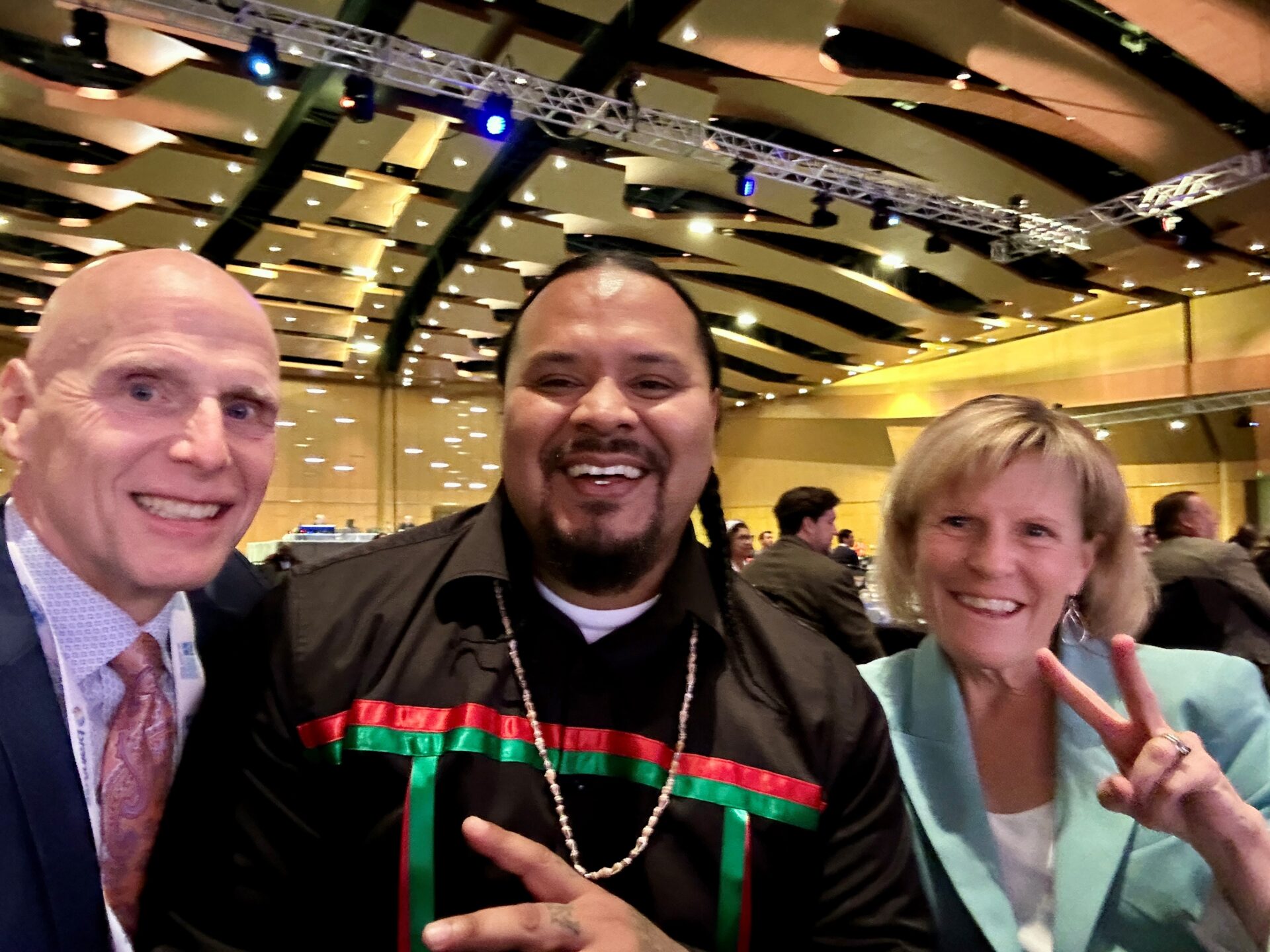
Advocacy Edge is a self-paced professional development course with thousands of students enrolled, designed to equip learners with the mindset, knowledge, and practical skills to advocate effectively for causes they care about. The experience moves students from awareness to action, helping them understand how change happens and how their voices can influence decisions at the campus, community, and policy levels.
What will I learn?
BE INTENTIONAL
Intentionality — Know Why and What You Stand For
Students learn to clearly define advocacy and reflect on their personal motivations. They identify issues that matter to them and understand different forms of advocacy—whether community-based, legislative, or digital.
- Define and discuss the importance of advocacy.
- Explore one’s motivation for engaging in advocacy.
- Describe the various domains of advocacy (grassroots, legislative, etc.).
- Identify an issue/problem you’re motivated to solve.
Informed Understanding — Ground Your Advocacy in Evidence
This section builds the capacity to research issues from multiple angles, understand the systems and stakeholders involved, and thoughtfully consider opposing viewpoints.
- Examine relevant data/resources from multiple perspectives.
- Recognize the processes and people involved in maintaining systems and creating change.
- Describe the position of those opposed to your advocacy.
Collaboration — Build Real Connections
Students explore how to find, listen to, and work alongside allies and those most affected by an issue. This includes building supportive networks and using digital tools to strengthen partnerships.
- Identify and build relationships with potential collaborators.
- Listen to and empower individuals/groups most impacted by your advocacy.
- Explore how to connect and invite collaboration in a digital world.
Action — Turn Ideas Into Measurable Change
The final focus is on execution: setting clear goals, crafting compelling messages for different audiences, identifying necessary resources, and evaluating advocacy impact.
- Establish measurable outcomes for your advocacy.
- Construct and communicate compelling and relevant messages tailored to specific audiences and actions.
- Identify resources (time, money, people, etc.) required to execute your advocacy.
- Investigate the success of your advocacy.
Professional Development