Pell Grant Member Survey
The Students Behind the Pell Grant
A National Survey of High-Achieving Community College Students | July 2026
Why We Conducted This Survey
Budget decisions are ultimately about people. As Congress considers funding the Pell Grant program for Fiscal Year 2027, Phi Theta Kappa Honor Society conducted this survey to ensure that the voices and experiences of the students behind the Pell Grant inform those decisions. The findings provide a national snapshot of high-achieving community college students who are working hard to earn a degree, prepare for careers, and strengthen America’s future workforce.
Who They Are
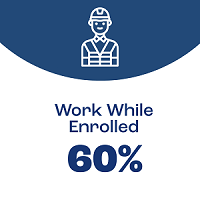
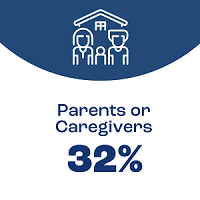
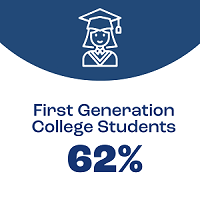
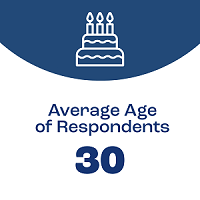
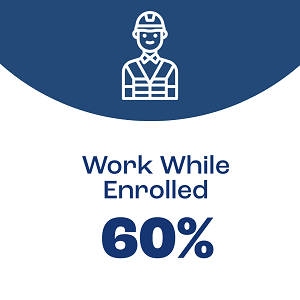
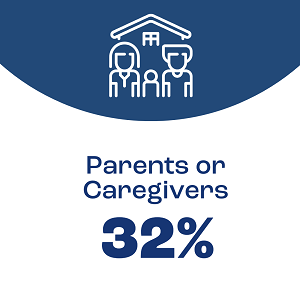
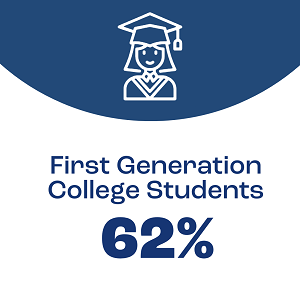
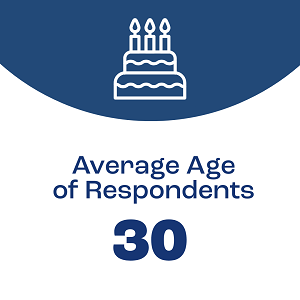
The survey paints a picture of today’s community college student: an average age of 30, often the first in the family to attend college, frequently balancing work and family responsibilities while pursuing a degree. Nearly 62 percent are first-generation college students, 60 percent work while enrolled, including nearly one-third who work full-time, and 32 percent are parents or caregivers. These students are not simply attending college; they are balancing multiple responsibilities while investing in a better future for themselves, their families, and their communities.
America's Workforce
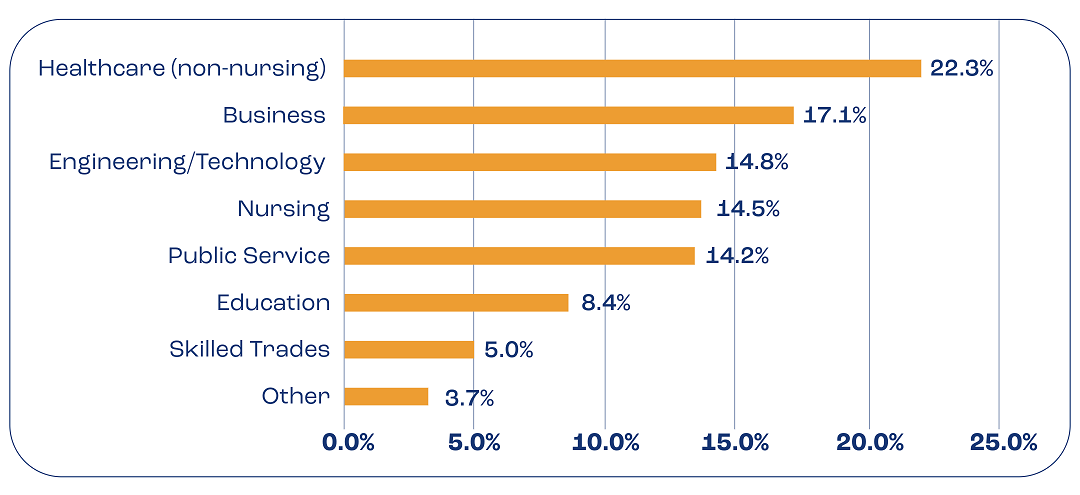
The students who rely on Pell Grants are preparing to become the workforce America needs most. Respondents identified career paths in healthcare, nursing, engineering and technology, business, public service, education, and the skilled trades, reflecting the broad role community colleges play in preparing professionals for high-demand fields. These are the future nurses caring for our families, teachers educating our children, engineers driving innovation, skilled laborers building our infrastructure, and public servants strengthening communities across the country. Protecting the Pell Grant is an investment in the people who will power America’s future.
Career Paths of Survey Respondents
What Congress Should Know
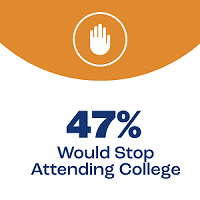
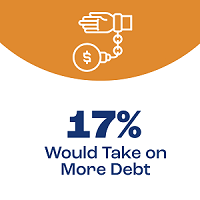
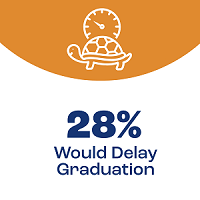
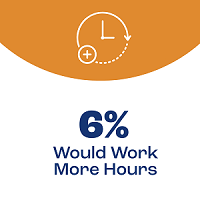
For nearly every student surveyed, a reduction in Pell Grant funding would come at a cost. Nearly half said they would be forced to stop attending college. Others would be compelled to borrow more money, delay graduation, or work additional hours simply to remain enrolled. Only 1 percent indicated that a reduction in Pell Grant funding would have no significant impact on their education.
“If Pell Grant funding were reduced, what would be the most likely outcome?”
Results:
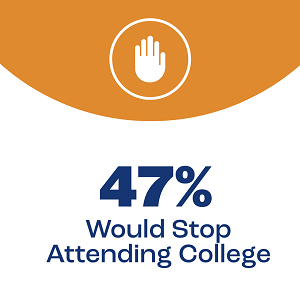
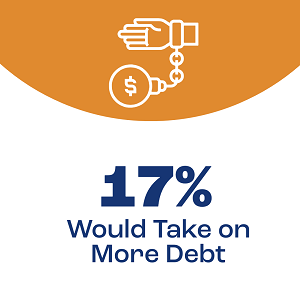
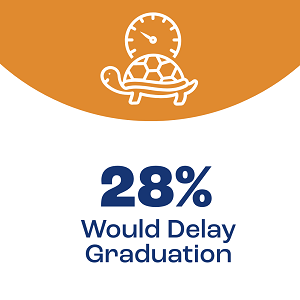
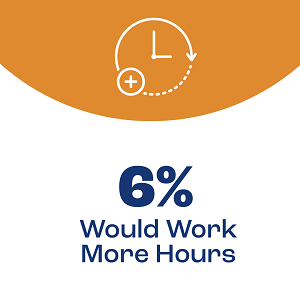
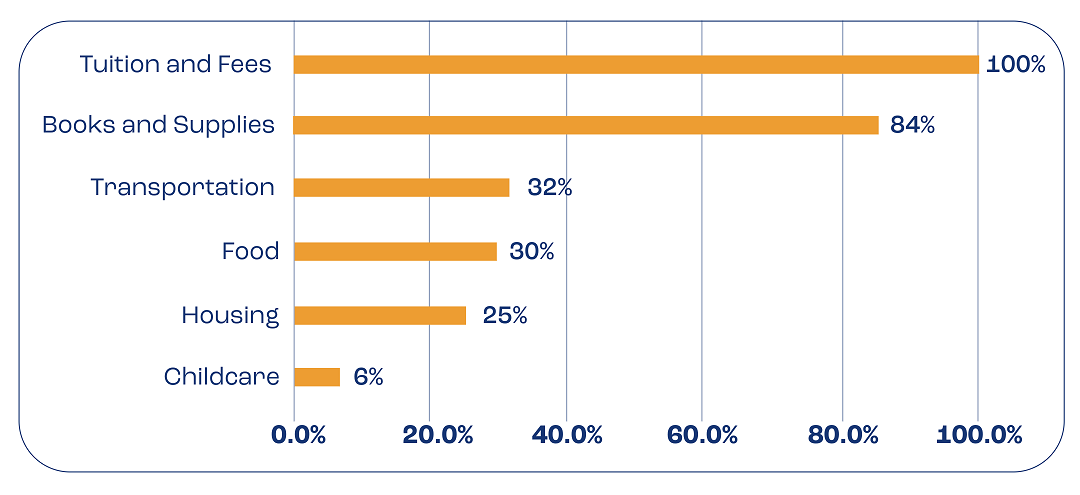
For these students, Pell Grants do far more than help pay tuition. While every respondent indicated that Pell helps cover tuition and fees, most also rely on Pell to purchase books and supplies, and many depend on the grant to help pay for transportation, food, housing, and childcare. Pell Grants provide the financial stability that enables students to stay enrolled and continue making progress toward a college degree.
Distribution of Survey Respondents’ Expenses
Conclusion
Behind every Pell Grant is a student working to build a better future. The findings in this report demonstrate that today’s Pell Grant recipients are academically accomplished, career-focused, and committed to completing their education despite significant financial and personal responsibilities. Protecting the Pell Grant is an investment in students who are preparing to strengthen our communities, our workforce, and our economy.
Survey Methodology
Phi Theta Kappa conducted this survey to better understand the experiences of community college students who receive Pell Grants and how federal financial aid supports their educational goals.
The survey was distributed electronically to 37,133 Phi Theta Kappa members who joined the Society during the most recent academic term and indicated in the Society’s membership database that they were receiving a Pell Grant at the time of induction.
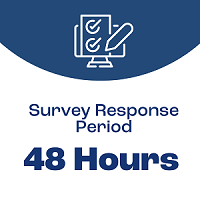
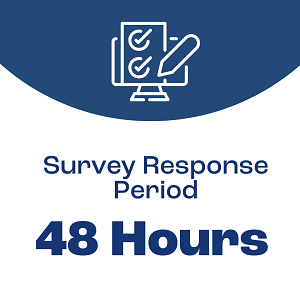
Data collection was conducted over a 48-hour period using Phi Theta Kappa’s secure internal survey platform.
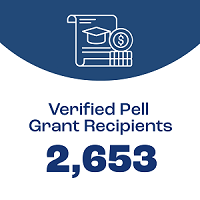
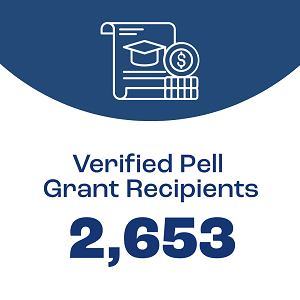
A total of 3,795 students responded to the survey, representing a response rate of approximately 10.2 percent. To ensure the integrity of the findings, the final analysis included only respondents who completed the survey and consistently identified themselves as current Pell Grant recipients, including confirming that Pell Grant funding helps pay their tuition and fees. The final analytic sample consisted of 2,653 verified Pell Grant recipients from community colleges across the United States.
About Phi Theta Kappa
Phi Theta Kappa Honor Society is the largest academic honor society in higher education and the first honor society created specifically for students attending associate degree-granting colleges. The Society recognizes academic achievement and develops students as scholars and leaders. Since its founding in 1918, Phi Theta Kappa has inducted more than 4.4 million members through nearly 1,250 chapters in 11 countries and currently serves approximately 220,000 active members. Phi Theta Kappa members achieve a 91 percent student success rate, completing a credential or transferring to continue their education. Learn more at ptk.org.