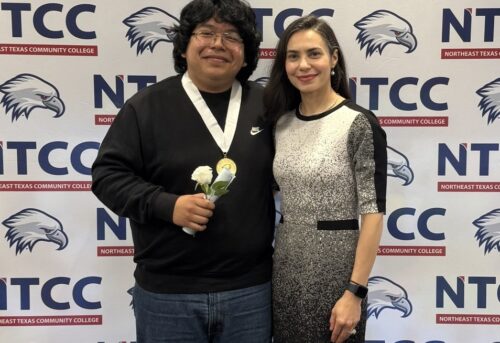
By Krisy Rachal, 2026–2027 International Vice President for Division IV
When we reactivated Phi Theta Kappa at Tacoma Community College, we had to figure out how to build a chapter where members could participate, contribute, and grow as leaders. Along the way, we learned that engagement looks different for every student.
Here are five approaches that helped our chapter. Every campus is different, so adapt these ideas to fit your members and your community.
1. Give members a starting point.
One of the most important concepts that shaped our chapter’s growth was what we called the Engagement Ladder. We used five levels to think about the different ways students connected with our chapter. Every level mattered, and becoming a core leader was one option, not an expectation for every member. We also emphasized members at the upper levels should be teaching others at the lower levels.
This is our example; your chapter may choose what works best for you.
Chi Gamma Chapter’s Engagement Ladder
Level 1: Aware. Students learn that the chapter exists and begin discovering what PTK has to offer.
Level 2: Participation. Members attend welcoming meetings or events, join conversations, and share their ideas.
Level 3: Helping. Members help with projects and activities without having to take the lead.
Level 4: Leading. Members take responsibility for an activity or project, such as running a recruitment table or leading a project team, with guidance when needed.
Level 5: Core Leader. Members help ensure the chapter’s long-term success by supporting others, sharing responsibilities, and preparing future leaders. A title alone doesn’t make someone a core leader; actions do.
A helpful question for chapter leaders is: “If I had to step away tomorrow, would others have the information and support they need to keep our projects moving?” Sharing what we know and helping others take ownership makes our chapter stronger.
One small change helped us invite participation: asking specific questions. “Which fundraiser should we prioritize first?” was often easier for a new member to answer than a broad “What do you think?” We wanted members to feel included in the conversation, even if it was their first meeting.
The goal was to give members an accessible starting point and support those who wanted to try something new. Someone helping at a recruitment table might want to lead one later, while another member might prefer to keep helping at events. Both contributions matter.
2. Offer flexible ways to contribute.
Many students want to help but cannot attend every meeting. Jobs, family responsibilities, coursework, athletics, and internships all compete for their time.
We used Canvas, newsletters, meeting minutes, event updates, and volunteer announcements to keep members connected. Online sign-ups gave them ways to help with a single event, an induction, a fundraiser, or a project when their schedules allowed.
Meetings aren’t the only way to get involved. The more flexible we became, the more engaged our members became. Just be careful not to create so many communication channels that your team cannot maintain them.
3. Make meetings work for members.
We asked why members were not attending committee meetings. Our chapter had held a general meeting and separate committee meetings later in the week, but students told us they could not always commit to multiple meetings.
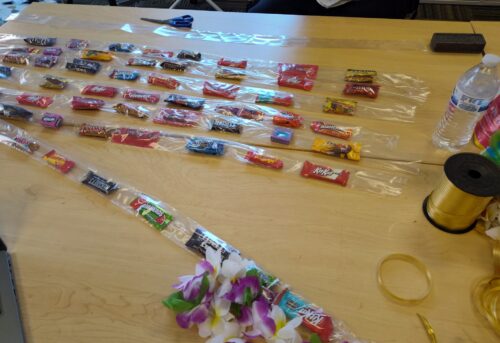
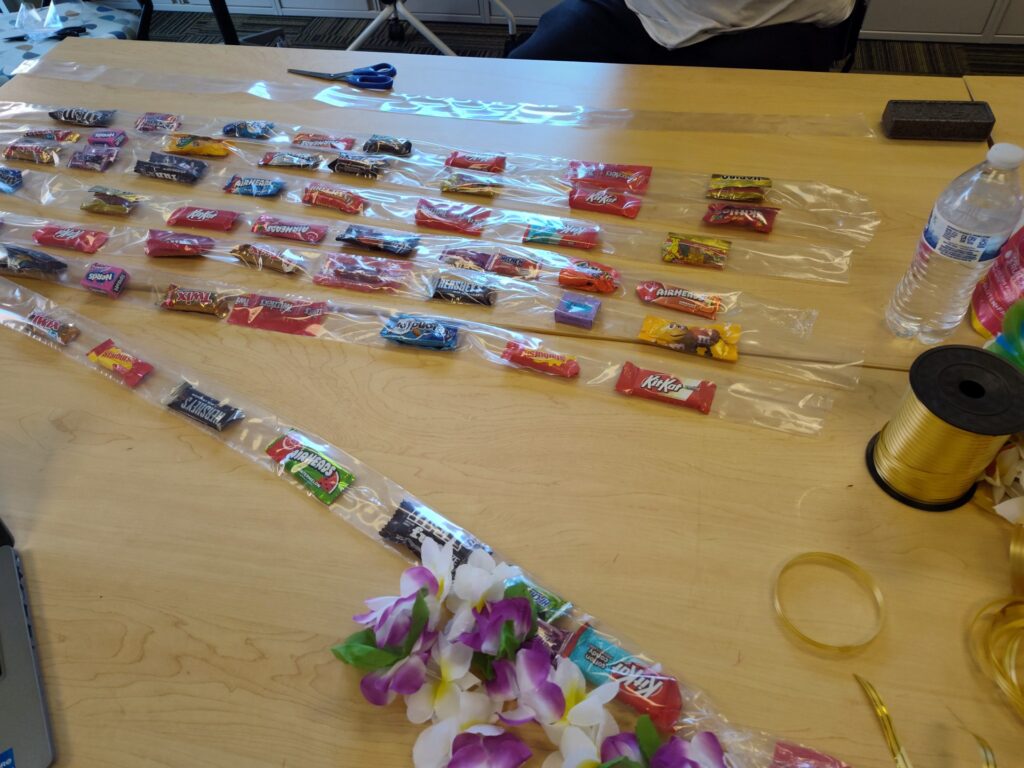
So we created working meetings. The first hour was dedicated to project and committee work, and the second hour covered chapter business, announcements, and voting. Members could work on Honors in Action, the College Project, fundraising, inductions, or other chapter needs. Sometimes, when we were caught up on our own work, we joined the fundraising team to make candy leis!
Participation increased because members could work on projects and attend to chapter business in the same gathering. Your chapter may need a different schedule, but it is worth asking members what is working and what could change.
4. Keep members connected.
As Recording Officer, I sent weekly newsletters with meeting minutes, deadlines, volunteer opportunities, scholarship information, project updates, and upcoming events. At first, it felt like a simple administrative task. Eventually, I realized how much it helped members feel connected.
Students who could not attend a meeting still knew what was happening and could find ways to participate. Whatever format your chapter chooses, consistent communication helps members know where they fit and what opportunities are available.
5. Recognize contributions transparently.
Our chapter also wanted a fair way to make decisions about opportunities, such as funding to attend Catalyst. We created a Merit Hours System that tracked participation in meetings, events, volunteer projects, workshops, and other chapter activities.
The goal was transparency. Alongside information such as members’ written explanations of why they wanted an opportunity, Merit Hours gave us another way to consider their contributions. Chapters can develop an approach that fits their own needs and recognizes the different ways members participate.
That experience taught me an important lesson: Sometimes engagement problems are not motivation problems. Sometimes they are design problems. Rethink how your chapter does things. What is working, what isn’t working, and how can you adjust? Every chapter and campus is different. Do what works best for your situation. You’ve got this!