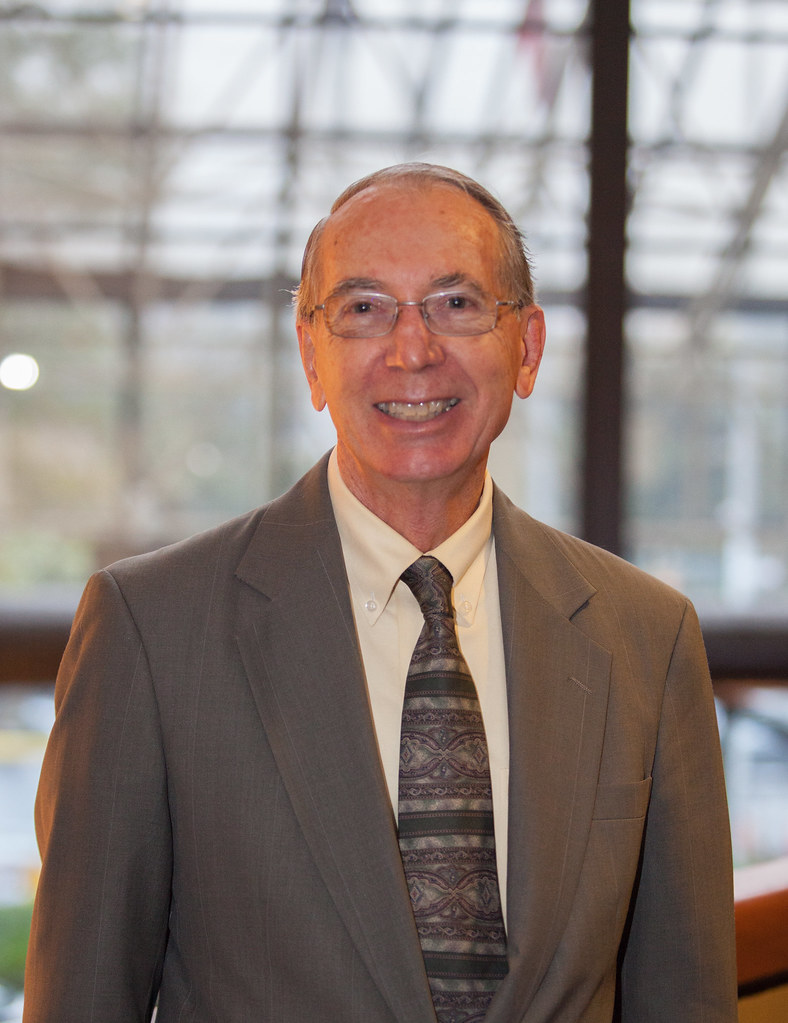
The Phi Theta Kappa (PTK) Foundation has announced the establishment of the David Shinn Family Scholarship Endowment, a permanent scholarship fund created by Ambassador David H. Shinn to support high-achieving community college students pursuing careers related to international affairs.
An alumnus and longtime supporter of Phi Theta Kappa, Ambassador Shinn has dedicated his career to public service, diplomacy, and global understanding. Through this endowment, he extends that commitment to students whose academic journeys begin at community colleges and whose aspirations reach far beyond them.
The David Shinn Family Scholarship Endowment will provide financial support to students demonstrating academic excellence and financial need, with preference given to those planning careers related to international affairs. The scholarship is intended to support students as they continue their education toward a bachelor’s degree and prepare for lives of global engagement and service.
“Ambassador Shinn’s endowment reflects both a deep belief in the promise of community college students and a clear understanding of the role education plays in global leadership,” said Dr. Lynn Tincher-Ladner, President and CEO of Phi Theta Kappa. “This scholarship doesn’t just support students academically. It affirms their place in conversations and careers that shape our world.”
Ambassador Shinn’s belief in the transformative power of community colleges is rooted in his own experience. He began his academic journey at Yakima Valley Community College before transferring to The George Washington University, where he earned his bachelor’s, master’s, and doctoral degrees. In 1996, he was named a Phi Theta Kappa Distinguished Alumnus and has remained closely connected to the organization, including years of service as a PTK Foundation Trustee.
“Community colleges open doors—for students, for families, and for the future,” Shinn said. “They certainly did for me.”
Across a 37-year career in the U.S. Foreign Service, Ambassador Shinn served in posts throughout Africa and the Middle East, including ambassadorial appointments to Burkina Faso and Ethiopia. His work spanned humanitarian assistance, public health initiatives, diplomatic engagement, and long-term development efforts—experiences that continue to shape his belief that accessible education strengthens individuals, communities, and global understanding.
Phi Theta Kappa is the first honor society recognizing the academic achievement of students at associate degree-granting colleges and helping them to grow as scholars and leaders. The Society is made up of more than 4.4 million members and nearly 1,250 chapters in 11 countries, with approximately 220,000 active members in the nation’s colleges. Learn more at ptk.org.